
Towards a competitive and sustainable seed system in Peru
6 de August de 2025
17:15
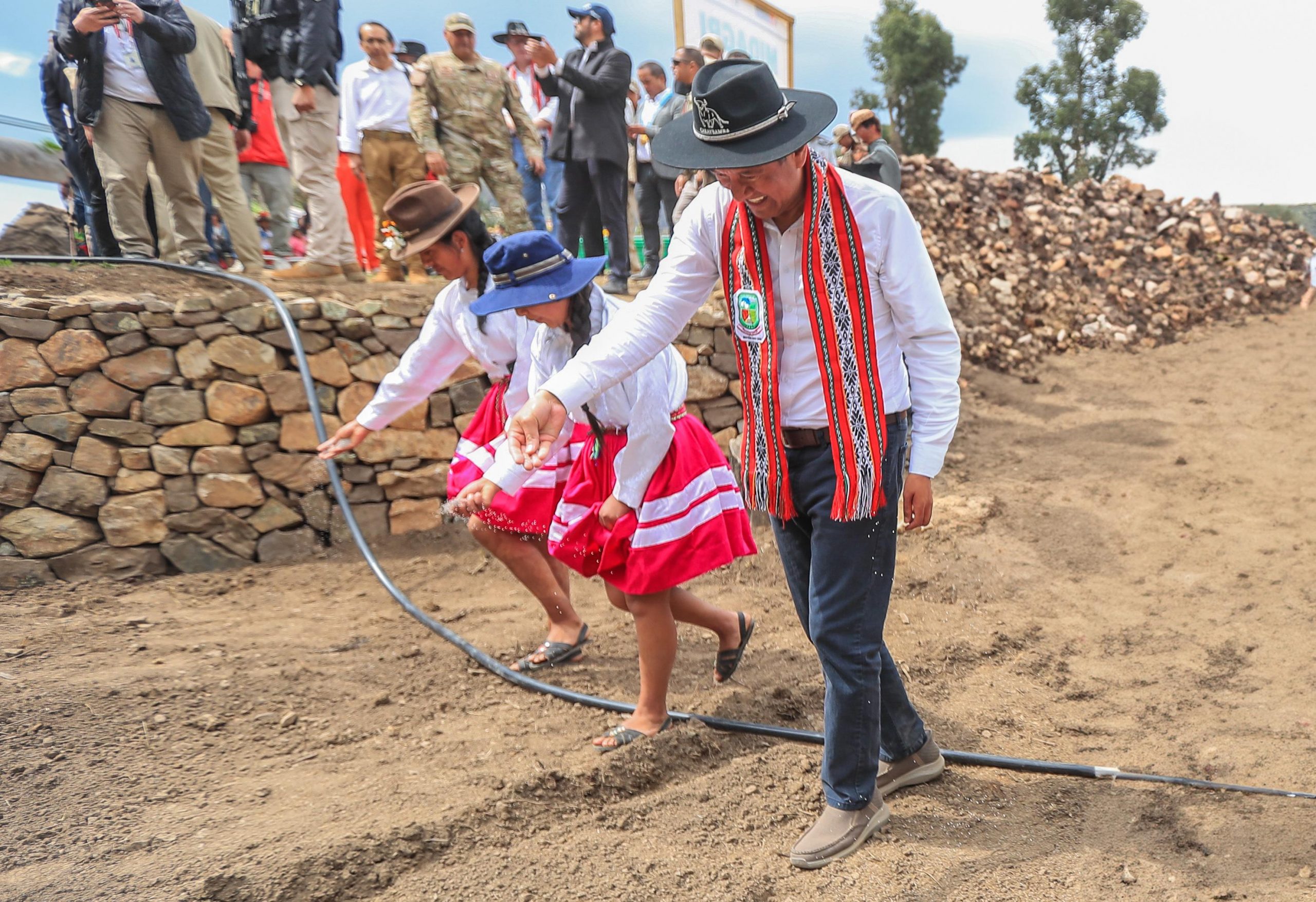
Sustainable and competitive agricultural development in Peru is closely linked to the strengthening of the National Seed System (SNS), a fundamental pillar for ensuring productivity, food security, and the successful integration of our products into national and international markets. In this regard, we enthusiastically welcome the First Peruvian Seed Congress, which will take place on August 21 and 22 in the city of Arequipa. This event represents a valuable opportunity to generate a space for dialogue, exchange experiences, and build capacity among the key stakeholders in the system: producers, researchers, marketers, regulators, and other strategic agents.
This congress serves as an essential platform for coordinating efforts, sharing knowledge, and building a shared vision that will boost research, innovation, production, and marketing of quality seeds—all essential aspects for addressing the current and future challenges of the national agricultural sector.
One of the greatest challenges we face as a country is the low rate of certified seed use, which barely reaches 15% nationwide. This situation highlights a significant gap that negatively impacts agricultural productivity, limiting crop yield and quality. This impacts the profitability of our farmers and the country’s ability to guarantee sufficient and nutritious food for our population.
At the Ministry of Agrarian Development and Irrigation (MIDAGRI), we recognize that reversing this reality requires the implementation of a multisectoral strategy coordinated between the public and private sectors. This strategy must include, among other aspects, the updating and modernization of current regulations, the promotion and strengthening of research for the development of new varieties adapted to the country’s diverse agroecological conditions, the training and technical development of producers and stakeholders in the seed system, as well as efficient technology transfer to bring innovations that boost productivity to the field. By increasing the use of certified seeds, we will not only raise productivity and quality levels but also strengthen access to more demanding and competitive markets, both nationally and internationally, which represents a window of opportunity for our farmers and seed companies.
In the context of the global challenges facing agriculture, such as climate change and the growing demand for food security, it is essential to invest in technological innovation. Modern plant breeding, with the incorporation of advanced tools such as gene editing, presents itself as an effective and immediate alternative for developing more resilient, productive crops that are adapted to changing environmental conditions. However, in Peru, we still lack a specific regulatory framework for the use of these emerging technologies, which limits the development and application of research and products derived from gene editing. Therefore, MIDAGRI, in coordination with the National Institute of Agrarian Innovation (INIA) and in close collaboration with the private sector represented by APESemillas, is promoting the development of modern regulations based on scientific evidence and international best practices that will allow for progress in the research, production, and safe marketing of seeds obtained through this technology.
In parallel, awareness-raising and dialogue activities have been carried out with various sectors, such as the recent International Forum on Gene Editing, which have contributed to building a broader and more responsible understanding of the potential and risks of these innovations, always seeking to safeguard public health, biodiversity, and food sovereignty.
At MIDAGRI, we believe it is essential to continue promoting this activity, strengthening its sustainability, improving the technical capacity of producers, and ensuring the quality and traceability of the seeds we export, positioning Peru as a relevant and reliable player in the international seed market.
Our strategic vision, focused on sustainable growth, also includes the execution of a significant portfolio of water projects that will contribute to the country’s sustainable agricultural development. These projects seek to improve water infrastructure and management for agricultural use, expanding irrigation coverage and promoting efficient water use in the various production regions. Investment in modern and sustainable irrigation systems is essential to address the impacts of climate change and increase crop productivity, ensuring water availability during critical seasons and improving farmers’ resilience to adverse weather events. This portfolio includes major projects such as Chavimochic III, Alto Piura, Poechos, Chinecas, and Majes Siguas, among others. These initiatives, combined with efforts to develop the seed system, seek to guarantee efficient and timely access to water, an essential input for the success of seed production and agriculture in general. We are convinced that investment in water infrastructure is key to achieving a more competitive, sustainable, and inclusive Peruvian agriculture.
Finally, at MIDAGRI, we reaffirm our commitment to developing a robust, innovative, inclusive, and sustainable seed system capable of responding to current and future challenges, ensuring that all Peruvians have access to quality food and that our farmers have the necessary tools to be competitive in a global market. We congratulate the First Peruvian Seed Congress, convinced that events like this are essential for building strategic alliances, exchanging knowledge, and promoting innovation for the benefit of national agriculture. We call on all stakeholders in the sector to continue working together to build a more competitive, resilient, and fair Peruvian agriculture, from seed to table.