
Securing the future from the ground up
6 de August de 2025
10:34
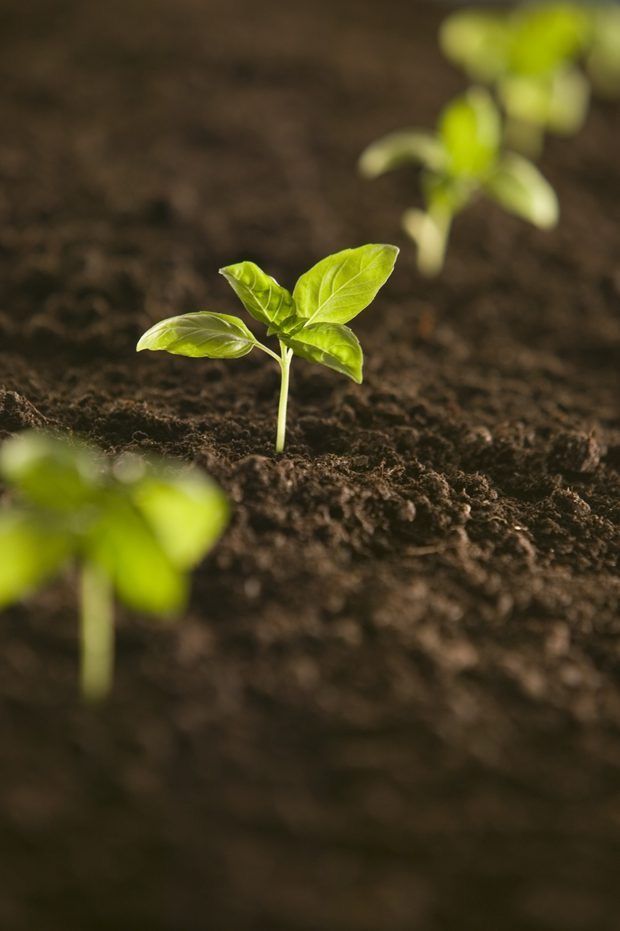
By promoting regenerative agriculture as a sustainable solution to address global challenges, Bayer is committed to innovative practices that revitalize soils, improve resource efficiency, and ensure the future of food production.
The ever-increasing global population demands greater quantity and quality of food, while the agricultural sector faces significant challenges due to climate change and the degradation of natural resources. The key question that arises is: how can we ensure a sustainable future that guarantees food production for future generations while also protecting our soils?
The future of human food is intrinsically linked to the health of the soils that sustain crops. Regenerative agriculture has emerged as a viable solution to this challenge, addressing the need to produce more with fewer resources while proposing a model that revitalizes ecosystems and contributes to long-term food security.
According to the FAO, soil degradation, largely caused by inappropriate agricultural practices, affects 1.66 billion hectares of land. If this trend is not reversed, it is estimated that by 2050, approximately 16 million square kilometers of soil—an area comparable to the size of South America—will continue to degrade, risking becoming unproductive within the next 25 years. This scenario would jeopardize agriculture’s ability to meet growing global food needs.
Furthermore, recent reports on Water Resources Development published by the United Nations and UNESCO (2021, 2023) warn that most countries are already facing water stress due to population growth. Water use has increased by 1% annually over the past 40 years, and this trend is expected to continue, especially in a context where agriculture consumes nearly 70% of globally available freshwater. In many regions, however, water use in food production remains inefficient.
Bayer and Regenerative Agriculture: Responses from the Private Sector
Companies in the agricultural input sector, such as Germany’s Bayer, have positioned themselves as key players in promoting regenerative agriculture. This approach not only reduces the sector’s carbon footprint, which is responsible for approximately 25% of greenhouse gas emissions, but also enables more sustainable production.
Bayer has emphasized the importance of implementing agricultural practices such as minimum tillage, which reduces soil disturbance and improves its structure; input optimization, which reduces costs and maximizes productivity; and crop rotation, essential for maintaining soil health and minimizing the incidence of pests and diseases. These actions, by keeping the soil covered with crops or organic matter, help preserve biodiversity and improve soil water retention.
Companies like Bayer emphasize that their contribution not only improves agricultural profitability but also supports the economic and social well-being of rural communities. Through the implementation of best practices, Bayer has helped increase crop productivity, allowing farming families to improve their incomes and, in some cases, send their children to school instead of relying on child farm labor.
A Sustainable Future for Agriculture
The regenerative approach promoted by companies like Bayer not only allows farmers to reduce their environmental impact but also offers them the opportunity to generate additional income by selling carbon credits on international markets while restoring the fertility of their lands.
Furthermore, regenerative agriculture supports the preservation of water resources, as healthy soils retain more water, reducing the need for irrigation and increasing water use efficiency—one of the greatest challenges in food production.
Bayer, like other companies working in the sustainable agricultural sector, continues to focus on a model that not only ensures productivity but also regenerates natural resources. These types of initiatives are essential to addressing current and future agricultural challenges, ensuring a healthy and sustainable food supply for future generations.